Archives 2023

How to Recover Accidentally Deleted Format Files

As you work on your computer, the unthinkable happens. You accidentally delete an important file containing years of work or cherished memories. Panic sets in as you realize your mistake and desperately search for a way to recover the lost data. Before you resign yourself to the painful prospect of recreating all that information, know that there are free methods for recovering recently deleted files on your hard drive. With the right tools and techniques, you have a good chance of restoring your deleted files and getting back to business as usual. This guide will walk you through the step-by-step process of recovering your deleted files on Windows and Mac computers at no cost using built-in tools and third-party Recover Deleted Format Files data recovery software. Take a deep breath – your lost files are not gone forever.

How to Recover Accidentally Deleted Format Files

Why Files Get Deleted Accidentally

Accidentally deleting important files from your hard drive can be frustrating. However, in many cases these files can be recovered for free using tools already on your computer.

Files get deleted accidentally for a few common reasons:

  • Human error: Accidentally selecting and deleting the wrong files or emptying the Recycle Bin.
  • Software issues: Programs malfunctioning and deleting files.
  • Storage media issues: Hard drive or storage device errors leading to data loss.

When files are deleted from your hard drive, the space they occupy is marked as available for use by other files. However, the files themselves are not immediately erased. This means there is a window of opportunity to recover recently deleted files before they are overwritten.

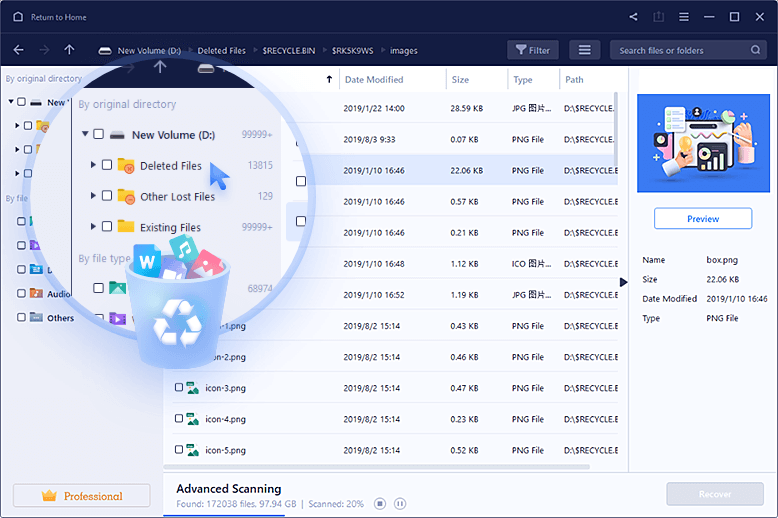
To recover accidentally deleted files for free, first check your Recycle Bin. Any files sent there can be restored with a simple click. Next, use a free data recovery tool like [Product Name] or [Product Name]. These tools can undelete files by scanning your hard drive and finding files marked for deletion that have not yet been overwritten. The sooner you attempt recovery, the more files you can restore, so act fast.

With the right approach and tools, you have a good chance of recovering your accidentally deleted files for free. However, for the best results, stop using the hard drive immediately to prevent overwriting the files you want to restore. If DIY recovery does not work, consulting a data recovery service may be your last resort to restore critical lost files.

How to Recover Deleted Format Files Like Word Documents

To recover accidentally deleted files like Word documents from your hard drive, there are a few approaches you can try for free:

  1. Check your Recycle Bin. This is the first place to look. Your deleted files may still be there, in which case you can simply restore them. Right-click the file and select “Restore.”
  2. Use file recovery software. If the files are not in the Recycle Bin, you’ll need to use a recovery tool to scan your hard drive and find deleted files. Some highly-rated, free options are:
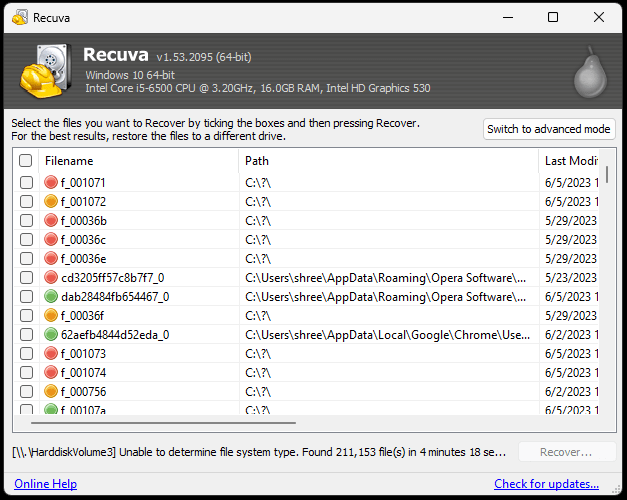
  3. Recuva: Can recover Word documents, images, music, video, and more. Simple to use but effective.
  4. Pandora Recovery: Recovers files from NTFS and FAT-formatted drives. Has different scan modes for fast or deep scanning.
  5. Glary Undelete: Recovers files deleted from the Recycle Bin, command line, or by virus activity. Works on internal and external hard drives.
  6. Try System Restore. If you have System Restore points enabled on your computer, you may be able to revert to an earlier point in time when the Word file still existed. Open the System Restore tool, select a restore point prior to when the file was deleted, and follow the prompts to restore your system. Your Word document should be recovered.
  7. Check temporary files. Word creates temporary files while you work that are deleted when you close the program. But the data may still be on your drive. You can search for files ending in .tmp or .temp that may contain parts of your lost Word document. Open and save them immediately.

With persistence, there is a good chance you can recover your lost Word documents for free using one of these methods. But act quickly, before the deleted data on your drive is overwritten. The sooner you start the recovery process, the better your chances of success.

Free File Recovery Software to Retrieve Deleted Spreadsheets

Recuva

One of the best free file recovery tools is Recuva. Developed by Piriform, Recuva can recover deleted files from your hard drive, USB drives, SD cards, and other external storage devices.

To recover your deleted Excel files using Recuva:

  1. Download and install Recuva on your PC. Launch the program and select ‘Recover files’ to start the recovery wizard.
  2. Choose the file type you want to recover. Select ‘Office documents’ to search for deleted spreadsheets. Then pick the location where the files were originally stored before being erased.
  3. Recuva will scan the selected location(s) and show you a list of recoverable files. This may take a few minutes depending on the size of your drive. Look for your deleted Excel spreadsheets in the list and select the ones you want to retrieve.
  4. Choose a location to save the recovered files and click ‘Recover’ to restore the selected spreadsheets. It’s best to save them to a different drive to avoid overwriting the deleted files.
  5. Check the recovered spreadsheets to ensure all data and formatting are intact before deleting the original copies. Some files may be partially recoverable depending on the level of overwrite.

Other Free Options

In addition to Recuva, you can also try:

  • Pandora Recovery: Recovers files from NTFS and FAT volumes. It has a portable version that can run from a USB drive.
  • MiniTool Power Data Recovery: Recovers files from hard drives, SSDs, USB drives, SD cards, etc. It offers a simple interface and file preview function.
  • Undelete 360: Recovers files deleted from the Recycle Bin, network drives, and external storage. It supports most Windows file systems and storage devices.

With the right free file recovery software, you have a good chance of retrieving your accidentally erased Excel spreadsheets and other lost data from a hard drive. Be sure to act quickly before the deleted files get overwritten for the best recovery results.

Restore Erased Presentations

To recover accidentally deleted PowerPoint presentations from your hard drive, there are a few options available to try for free before resorting to paid recovery software.

Scan Your Hard Drive

  • Carefully scan your hard drive for any copies of the deleted presentation file. It’s possible there could be an autosave version, a copy saved under a slightly different name, or a version uploaded to a folder syncing or cloud storage service like OneDrive or Google Drive.
  • Search for any file with a similar name and check for the most recent version to restore. PowerPoint’s “Recover Unsaved Presentations” feature can help locate autosaved copies as well.

Check Your Recycle Bin

If the presentation was simply deleted, the file may still be located in your Recycle Bin.

  1. Double-click the Recycle Bin icon on your desktop to open it.
  2. Look for any PowerPoint (.pptx) files with a name matching your deleted presentation.
  3. Right-click the file and select “Restore” to recover the deleted presentation.

Use Free Recovery Software

If the presentation is no longer in the Recycle Bin, you’ll need to use data recovery software to scan your hard drive and restore the deleted file. Some free options to try include:

  • Recuva: Free file recovery tool that can search for and restore deleted PowerPoint presentations.
  • Pandora Recovery: Free data recovery software that can search your hard drive for deleted files like PowerPoint presentations and restore them.
  • Disk Drill: Free data recovery app that can restore deleted PowerPoint files and other documents. Scan your entire hard drive or select specific folders to search.

Performing a deep scan of your hard drive with recovery software may take some time but can help locate and restore your deleted PowerPoint presentation if other options were not successful. Be sure to save the recovered file immediately to avoid accidentally deleting it again.

FAQs: Common Questions About Recovering Deleted Files

Recovering accidentally deleted files can seem like an impossible task, but with the right tools and techniques, you have a good chance of restoring your lost data. Here are some of the most frequently asked questions about recovering deleted files.

What types of files can be recovered?

Most common file types like documents, images, videos and more can potentially be recovered after deletion. As long as the file was not securely erased, there is a possibility of restoring it.

How long do I have to recover a deleted file?

The sooner you attempt to recover a deleted file, the better. As long as the file is not overwritten by new data, it can often be restored within hours or days of deletion. However, there is no guarantee a file can be recovered after a long period of time. It is best to act quickly to recover recently deleted files.

Can files be recovered after emptying the Recycle Bin?

Yes, even after emptying the Recycle Bin, files may still be recoverable. When a file is deleted, its data remains on the hard drive until it is overwritten by new data. Specialized file recovery software can scan your hard drive and locate files that have been deleted but not yet overwritten. These files can then potentially be restored.

Is there free file recovery software?

There are several free file recovery tools available that may be able to recover your deleted files. Some reputable free options include:(Recover Deleted Format Files)

  • Recuva: Free file recovery software from Piriform. It’s easy to use and can recover files from hard drives, USB drives, and memory cards.
  • Pandora Recovery: Free tool that can recover deleted files and folders. It has a simple wizard-based interface and built-in file preview feature.
  • UndeleteMyFiles Pro: Free file recovery tool that can restore deleted files from hard drives, USB drives, SD cards, and other media. It works on Windows PCs and has an easy-to-use interface.

Using free Recover Deleted Format Files software is an affordable first step, but for maximum effectiveness, you may need to invest in a paid professional data recovery service. They have specialized tools and expertise to restore even complex accidental deletions.

Conclusion

As you have seen, Recover Deleted Format Files is possible without any cost using free file recovery software or tools. By following the steps outlined, you can scan your hard drive and recover your files in a few simple clicks. However, the sooner you attempt file recovery the better, as overwriting the location of the deleted files may make them unrecoverable. With some patience and the right approach, you have the power to restore your lost files and save the time, energy and resources needed to reproduce them. While technology may have failed you momentarily by deleting your important files, it has also provided the means to remedy such mistakes and recover your lost digital information. With the tools and knowledge you now have, you need not despair the next time you press delete – your files can live to see another day.
Professional Data Recovery Software for all Scenarios

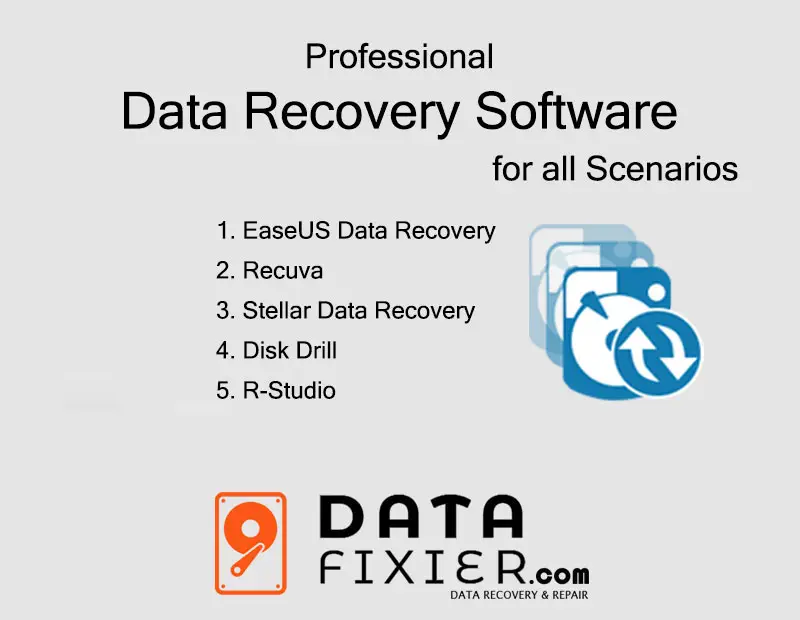
Data loss is a common problem that can occur due to various reasons such as system crashes, hardware or software failure, virus attacks, accidental deletion, or formatting of the storage device. The best solution to recover lost data is to use reliable and professional data recovery software. Here are some of the best options available:

1. EaseUS Data Recovery

This software is easy to use and helps to recover data from a wide range of storage devices such as hard drives, USB drives, memory cards, and more. It supports various file formats including documents, audio, video, emails, and images.

2. Recuva

This is a free data recovery software that helps to recover lost data from various storage devices. It can recover deleted files from Windows systems, memory cards, and USB drives. It comes with a user-friendly interface and supports a wide range of file formats.

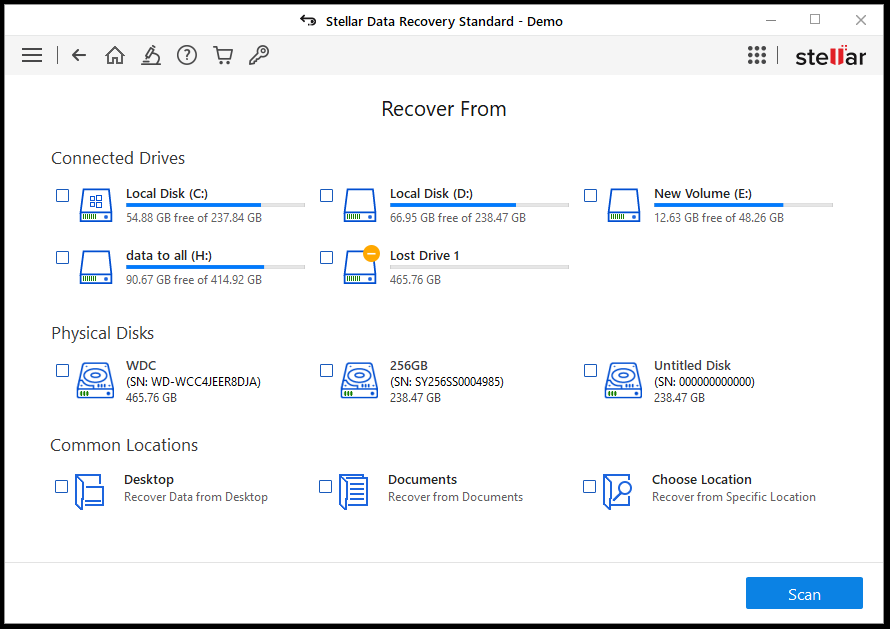
3. Stellar Data Recovery

This is another popular data recovery software that helps to recover lost data from various storage devices. It supports various file formats and offers rich features such as preview, selective recovery, and more.

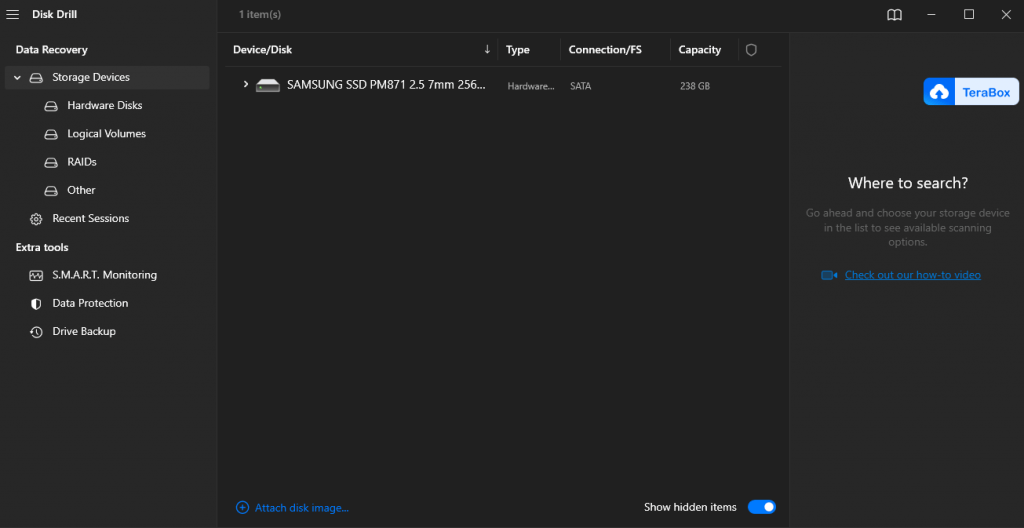
4. Disk Drill

This software supports Mac and Windows systems and is designed to recover lost data from a wide range of storage devices. It supports various file formats and offers features such as recovery vault, backup of recovered files, and more.A new adventure begins with every single game spin le king slots.

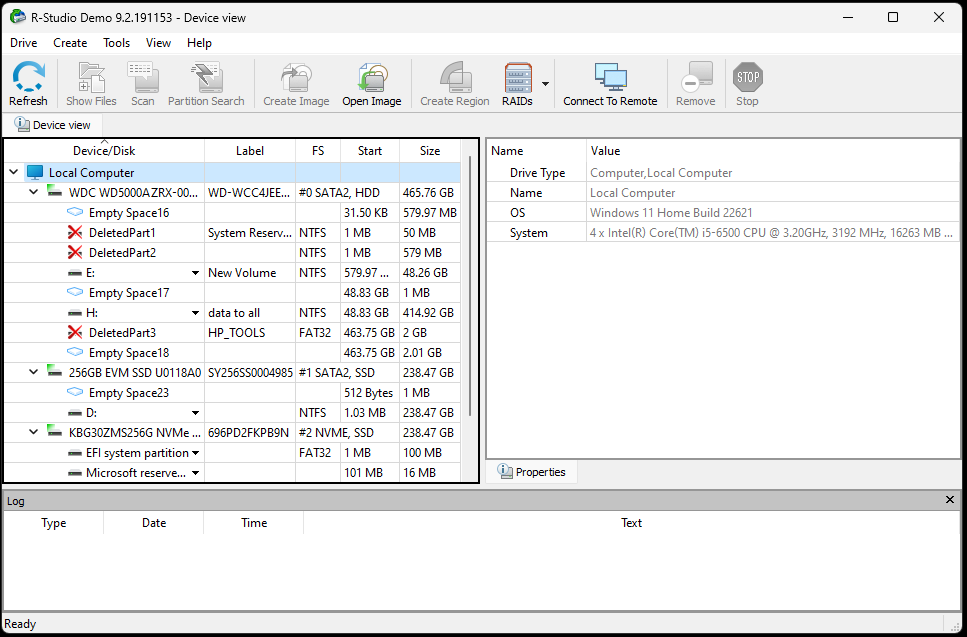
5. R-Studio

This software allows you to recover data from various types of storage devices including RAID systems, hard drives, and flash drives. It supports various file systems and offers advanced features such as network recovery, virtual RAID reconstruction, and more.

In conclusion, the above-mentioned data recovery software are some of the best options available in the market. They offer rich features, ease of use, and reliability. However, it is always recommended to back up your data regularly to avoid data loss scenarios.

Remember that prevention is always better than cure, so make sure to take necessary precautions to safeguard your data. In case of any data loss situation, it is recommended to stop using the device immediately and seek professional help if needed. With the help of these data recovery software, you can easily retrieve lost data and avoid any major loss.

However, it is important to regularly backup your data to ensure that you always have a copy of important files and documents. This can be done through cloud storage or external hard drives.

Additionally, ensure that your devices are updated with the latest security patches and anti-virus software to prevent any potential malware attacks. It is also important to avoid clicking on suspicious links or downloading unknown files.

By taking these precautions and being proactive in protecting your data, you can minimize the risk of data loss and ensure that your important information is always secure.Furthermore, regularly backing up your data to an external hard drive or a cloud-based storage system is essential. This will allow you to restore your data in case of a breach or device failure. You can also adopt a password management policy with strong passwords that are changed frequently, never sharing them with anyone. Finally, educate yourself and your employees about data protection and privacy best practices. Stay updated with the latest trends and strategies to stay ahead of potential threats to your data.

Regularly review your cybersecurity protocols and update them as needed to address any new vulnerabilities or risks that have emerged. It’s essential to stay vigilant and proactive in protecting your data, as cyber attacks are increasingly sophisticated and can cause significant damage to your business and reputation. By following these best practices, you can help ensure that your data and network are secure, and your business can thrive in today’s competitive digital landscape.

1. Implement Strong Passwords: Encourage employees to create strong passwords and use password management tools to reduce the risk of unauthorized access.

2. Conduct Regular Security Audits: Regularly assess your security measures to ensure your network and data are protected from threats.

3. Use Anti-Virus and Firewall Protection: Install firewalls and anti-virus software to protect against malware, viruses, and other threats.

4. Limit Access to Sensitive Data: Grant access only to those employees who have a legitimate need to access sensitive information, and ensure that access is properly authorized.

5. Educate Employees: Train employees on cybersecurity best practices so that they understand the risks and can identify and report suspicious activity.

6. Encrypt Sensitive Data: Encrypt any sensitive data that is stored or transmitted to protect against unauthorized access.

7. Back Up Data Regularly: Regularly back up important data to reduce the risk of data loss due to a security breach or other issue.

8. Stay Up-to-Date with Security Patches: Install security patches and updates as they become available to reduce the risk of vulnerabilities.

9. Monitor Your Network: Use network monitoring tools to detect and respond to any suspicious activity on your network.

10. Have a Plan in Place: Develop a comprehensive incident response plan to ensure quick and effective action in the event of a cybersecurity incident.

This plan should include procedures for identifying and containing the incident, notifying relevant parties, and restoring operations as quickly as possible.

11. Train Your Employees: Provide regular cybersecurity training for all employees to raise awareness and reduce the risk of human error leading to a security breach.

12. Use Multi-Factor Authentication: Implement multi-factor authentication for all accounts to provide an extra layer of protection against unauthorized access.

13. Limit Access to Sensitive Data: Restrict access to sensitive data to only those employees who need it for their job, and monitor their access to ensure it is appropriate.

14. Use Encryption: Use encryption to protect sensitive data in transit and at rest, and ensure that encryption keys are stored securely.

15. Conduct Regular Vulnerability Assessments: Conduct regular vulnerability assessments to identify and remediate any weaknesses in your security infrastructure.

This will help to keep your systems up-to-date and secure.

16. Implement Access Controls: Implement access controls, such as authentication and authorization, to ensure that only authorized users have access to sensitive data.

17. Deploy Intrusion Detection and Prevention Systems: Deploy intrusion detection and prevention systems to monitor your network for malicious activity and to stop attacks before they can do damage.

18. Educate Employees: Educate your employees about security best practices and the importance of protecting sensitive data. Provide regular training and reminders about cybersecurity risks and how to prevent them.

19. Have a Disaster Recovery Plan in Place: Have a disaster recovery plan in place to ensure that your business can recover quickly in the event of a cyber attack or other disaster.

20. Stay Up-to-Date with the Latest Threats: Stay up-to-date with the latest cybersecurity threats, trends, and best practices, and update your security strategies accordingly. This will help you stay ahead of emerging threats and protect your business from harm.

21. Train Employees on Cybersecurity: Train your employees on basic cybersecurity practices, such as how to identify suspicious emails, create strong passwords, and avoid phishing scams. This will help ensure that everyone in your organization is doing their part to protect sensitive data.

22. Implement Multi-Factor Authentication: Implement multi-factor authentication for all accounts that contain sensitive data. This will add an extra layer of security, making it more difficult for hackers to gain access to your systems.

23. Use Encryption: Use encryption to protect sensitive data in transit and at rest. This can help prevent data breaches and keep your business running smoothly in the event of a cyber attack.

24. Test Your Security: Regularly test your security measures to identify any vulnerabilities and address them before they can be exploited by cybercriminals.

25. Have a Response Plan: Develop a response plan for how to handle a cyber attack. This should include steps for containing the attack, notifying the appropriate authorities, and communicating with customers and stakeholders. Being prepared can help minimize the damage of a cyber attack and speed up the recovery process.

1. Identify the type and scope of the attack: Quickly assess the nature of the attack, what systems and data are affected, and how severe the damage is. This will help determine the appropriate response.

2. Contain the attack: Take immediate steps to contain the attack and prevent further damage. This may involve isolating affected systems and disconnecting them from the network.

3. Notify appropriate authorities: If the attack involves a data breach or other criminal activity, you should notify law enforcement agencies, such as the FBI or local police, as soon as possible. They may need to investigate and collect evidence.

4. Communicate with stakeholders: Keep your customers, employees, and other stakeholders informed about the situation and what steps you are taking to mitigate the damage. Consider setting up a dedicated website or hotline to field inquiries.

5. Evaluate and improve response: After the attack has been contained and the damage assessed, evaluate your response and identify areas for improvement. Use this information to update your response plan and strengthen your cybersecurity measures going forward.

By having a well-developed response plan in place, you can minimize the impact of a cyber attack and help protect your business from future threats.

The Ultimate Guide to Repairing Encrypted Ransomware JPEG Images
Repair Damaged JPEG Encrypted Ransomware Images

Repair Damaged JPEG Images you wake up one morning, turn on your computer and suddenly find all your precious JPEG images encrypted by a ransomware attack. What do you do next? Panic? Pay the ransom and hope for the best? Not so fast! In this blog post, we’ll provide you with everything you need to know about repairing encrypted ransomware JPEG images. From understanding what ransomware is to step-by-step instructions on how to recover these files without breaking a sweat, consider this your ultimate guide to navigating through an unfortunate situation that no photographer or image collector wants to face. Let’s dive in!Transform concepts into masterpieces, instantly Artinodex official website.

What is Encrypted Ransomware JPEG Images?

Encrypted ransomware is a type of malware that encrypts your files and demands a ransom to decrypt them. JPEG images are often used by attackers to deliver the ransom message, as they can be easily opened in a web browser. In order to repair encrypted ransomware JPEG images, you will need to decrypt the files using a special tool. There are many free and paid tools available online, so make sure to do your research before choosing one. Once you have decrypted the files, you should be able to open them without any problem.

Types of Ransomware JPEG Images

There are two types of ransomware that can encrypt your JPEG images: Filecoder and Locky.

Filecoder is a type of ransomware that will encrypt your JPEG images by adding a “.locked” extension to the end of each file name. For example, “myphoto.jpg” would become “myphoto.jpg.locked”. In order to decrypt your images, you will need to obtain the decryption key from the hacker who encrypted them.

Locky is a type of ransomware that will encrypt your JPEG images and append a random string of characters to the end of each file name. For example, “myphoto.jpg” could become “myphoto.jpg_H824FR4”. In order to decrypt your images, you will need to use a special decrypter tool which can be found on the internet.

How to Repair Damaged Encrypted Ransomware JPEG Images?

It’s no secret that encrypted ransomware can wreak havoc on your computer and your data. But what if those encrypted files are important JPEG images? Is there any way to repair the damage and get your photos back?

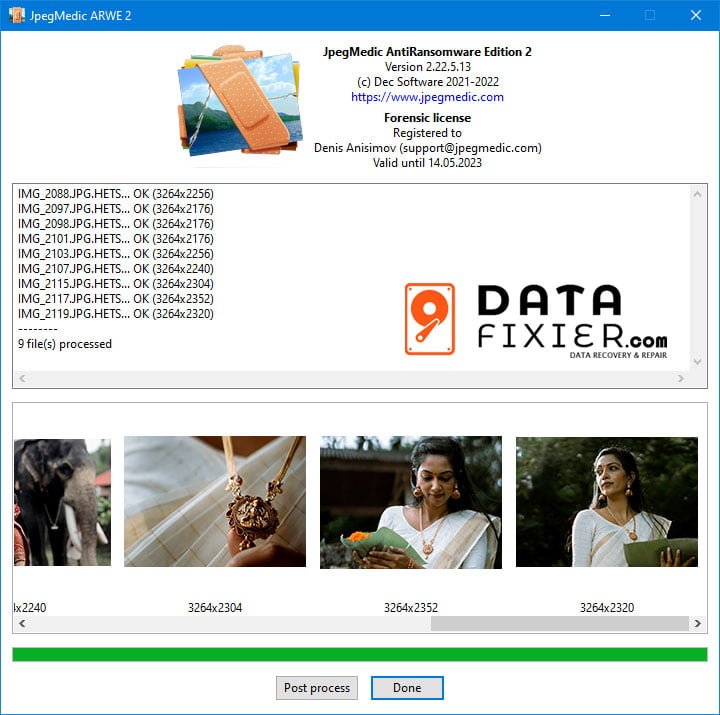
As it turns out, there are a few ways to go about repairing damaged encrypted ransomware JPEG images. One method is to use a free online tool like Emsisoft Decryptor for Ransomware. This tool can decrypt certain types of ransomware, including Petya and Locky.

Another option is to use a paid software program like R-Studio. This program can undelete files that have been deleted by ransomware, as well as recover lost or damaged partitions.

You could try contacting the ransomeware developers themselves and see if they’re willing to provide a decryption key in exchange for payment. This is obviously a risky proposition, but it’s worth a shot if you’re desperate to get your JPEG images back.

Whichever method you choose, remember that there’s no guarantee that you’ll be able to successfully repair your damaged JPEG images. But it’s always worth a try!

Tools and Software to Repair Damaged Encrypted Ransomware JPEG Images

There are a number of different tools and software that can be used to repair damaged or encrypted ransomware JPEG images. In this section, we will take a look at some of the most popular options.

  1. Recuva: This is a free data recovery program that can be used to recover lost or deleted files from your computer, including JPEGs that have been damaged by ransomware. It offers a deep scan option that can help to recover files that have been overwritten or damaged.
  2. PhotoRec: This is another free data recovery program that can be used to recover lost or deleted files, including JPEGs. It offers a quick scan option as well as a deeper scan option for more damaged files.
  3. Stellar Phoenix Photo Recovery: This is a paid data recovery program that offers both a quick scan and deep scan option. It can also repair corrupted or damage video files, making it a good choice for JPEGs that have been encrypted by ransomware.
  4. JpegDigger: This is a free tool that can be used to extract JPEGs from corrupt or damaged files. It offers a simple interface and does not require installation.
  5. JPEG Repair Shop: This is another paid data recovery program that specializes in repairing damage JPEG files. It offers both automatic and manual repair options.

Tips for Protecting Your Data from Ransomware

Here are some tips to keep your data safe from ransomware:

  1. Keep your operating system and software up to date. This includes having the latest security patches installed.
  2. Use a reputable antivirus program and scan your computer regularly for malware.
  3. Avoid clicking on links or opening attachments in emails from unknown senders. This is how many people get infected with ransomware in the first place.
  4. Be cautious when downloading files from the internet, especially if they come from untrustworthy sources. Make sure to scan any downloaded files with your antivirus program before opening them.
  5. Back up your important data regularly. That way, if you do get hit with ransomware, you can restore your files from backup and won’t have to pay the ransom to get them back.

Alternatives to Repairing Encrypted Ransomware JPEG Images

If your JPEG image has been encrypted by ransomware, there is no guaranteed way to repair it. However, there are some alternative methods that you can try:

  1. Use a file recovery program: There are many file recovery programs available that can often recover deleted or corrupted files. This includes ransomware-encrypted files.
  2. Use a professional data recovery service: If you have important JPEG images that you need to recover, you can use a professional data recovery service. These services are often expensive, but they may be able to recover your files.
  3. Try decrypting the files yourself: If you have the skills and knowledge, you may be able to decrypt the ransomware-encrypted files yourself. This is a risky method, as you could potentially make the situation worse if you don’t know what you’re doing. only attempt this if you are confident in your abilities and understand the risks involved.

Conclusion

Repairing encrypted ransomware JPEG images can be a daunting task, but fortunately, there are several useful tools that can help you do it. We hope this comprehensive guide has provided you with all the information you need to get started. With the right knowledge and tools at your disposal, repairing those encrypted JPEG images is easier than ever before. So don’t hesitate – start repairing today!

LO 1 2 Identify Users of Accounting Information and How They Apply Information Financial Accounting adapted by SPSCC

identify the two main categories of accounting principles.

The feedback value offered by the accounting information is particularly useful to internal users. That is, reviewing how the organization performed in the past can help managers and other employees make better decisions about and adjustments to future activities. The purpose of accounting principles is to establish the framework for how financial accounting is recorded and reported on financial statements. When every company follows the same framework and rules, investors, creditors, and other financial statement users will have an identify the two main categories of accounting principles. easier time understanding the reports and making decisions based on them.

identify the two main categories of accounting principles.

Business

In summary, financial accounting plays a vital role in the business world. It helps in tracking performance and ensuring that companies operate within the law. Understanding these principles can greatly benefit anyone involved in business operations, especially when considering the differences between accounting and other fields like engineering. Accrual accounting is based on the matching principle, which is intended to match the timing of revenue and expense recognition. The accrual method matches revenues with expenses to give a clearer picture of a company’s financial condition. Accounting standards provide guidance, but professional judgment is often necessary in applying these standards.

identify the two main categories of accounting principles.

( . Adjusting entries for accruing unpaid expenses:

Assets are then remain on the balance sheet at their fixed assets historical without being adjusted for fluctuations in market value. Here’s a list of more than 5 basic accounting principles that make up GAAP in the United States. I wrote a short description for each as well as an explanation on how they relate to financial accounting. Understanding financial accounting is essential for anyone involved in business. In summary, tax accounting is not just about paying taxes; it’s about managing my finances wisely and staying compliant with the law. By using the right methods, I can make informed decisions and keep my business running smoothly.

identify the two main categories of accounting principles.

Financial Accounting adapted by SPSCC

identify the two main categories of accounting principles.

It involves adhering to regulations set by tax authorities, ensuring compliance, and optimizing tax strategies. These aspects help minimize the tax burden within the framework of applicable laws. Consider a manufacturing company determining the cost per unit for a specific product. Cost accountants would account for direct costs like raw materials and indirect ones like factory overhead. Comprehensive analysis ensures an accurate calculation of the production cost per unit, which is critical in setting competitive prices and maximizing profitability.

Liabilities Reported on the Balance Sheet

In addition, businesses should invest in accounting software and training for their employees to ensure that they are properly recording transactions. Correcting entries are necessary when errors are identified in accounting records. These entries should be made promptly and accurately to ensure that financial statements are correct.

  • When you know how different accounting cycles work, you’re better equipped to find a professional or a software solution that can help when those complex bookkeeping tasks finally get out of hand.
  • Integrating automation and artificial intelligence (AI) into accounting has brought transformative changes.
  • It ensures that every transaction recorded in the books has supporting documents such as invoices, bills, or receipts that can be independently verified.
  • Financial accounting, on the other hand, tracks all monetary transactions to produce accurate financial statements for external parties, such as investors, creditors, and regulatory bodies.
  • Government accounting provides a structured system for managing public funds.
  • Always scrutinize financial statements, as there’s potential for manipulation within GAAP’s framework.
  • It helps to obtain a clear picture of the company’s financial figures, which can be used in different tax and financial analysis calculations.

Revenue accounts can be further categorized based on the source of income, such as sales revenue, service revenue, and interest revenue. Each type reflects a different aspect of the company’s operations and helps in detailed financial reporting. This classification aids in identifying the primary revenue streams and evaluating Liability Accounts their contributions to overall profitability.